Selecting the Best Painting Contractor: Tips for a Flawless Finish
Picking a painting professional can greatly impact the result of a job. It demands thorough evaluation of various factors, such as experience, references, and communication skills. A properly organized approach ensures transparency and reduces potential problems. Knowing what to prioritize is essential. With the proper information, homeowners can arrive at educated conclusions that lead to a satisfying painting outcome. The following sections will outline essential tips and approaches to navigate this process successfully.
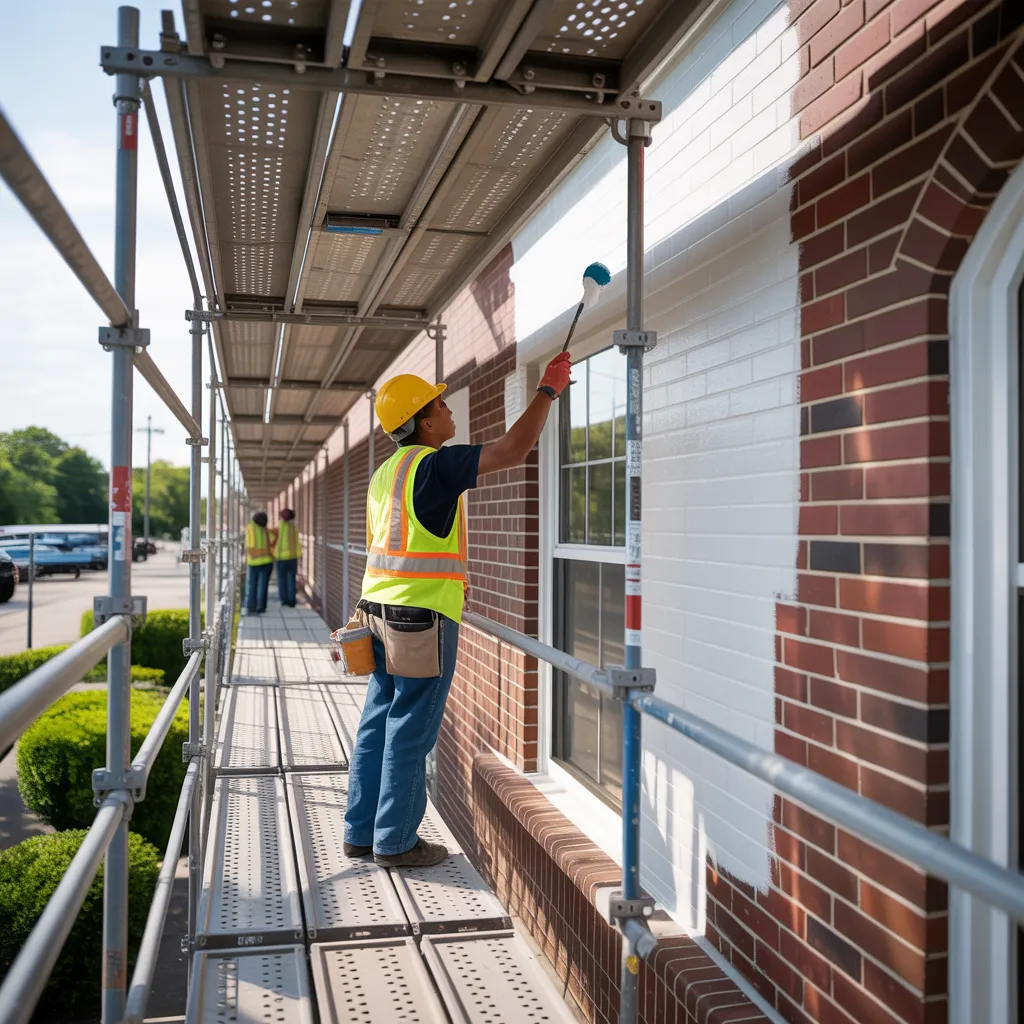
How to Judge a Painting Contractor's Experience
When assessing a professional painter's background, how can one discern the genuinely skilled from the less competent? Essential signs include the professional's time in the field and their collection of finished work. A experienced professional generally has a broad portfolio, demonstrating multiple techniques and styles, which reflects adaptability and skill. Furthermore, understanding the types of projects they concentrate on—both residential and commercial—can shed light on their proficiency.
Another important aspect is the contractor's approach to ongoing education and training. A commitment to staying updated with industry trends and best practices signals a high level of professionalism. Pursuing certifications or affiliations with well-regarded professional organizations can help substantiate their qualifications. Ultimately, thorough evaluation includes not just how long they have been in business, but also the quality and variety of work, guaranteeing the contractor is equipped to address unique project requirements.
What You Should Look for in References and Reviews
When assessing references and reviews, it is important to check for consistency in the quality of work provided by past clients. This uniformity can signal dependability and expertise. Furthermore, analyzing the service provider's manner of communication through reviews can offer valuable information about their responsiveness and approachability.
Check Consistency in Quality
Reviewing reviews and references is vital for establishing a paint contractor's standard of work. Potential customers should pay attention to patterns in feedback rather than isolated comments. Identify repeated subjects in testimonials—positive remarks about meticulous workmanship, adherence to schedules, and the standard of execution suggest dependability. Furthermore, consider the number of reviews; a contractor with a significant number of uniformly favorable reviews is usually more dependable than a contractor with limited reviews. Pay attention to any critical comments, especially those noting lack of proper communication or work left undone. To conclude, ask for references directly from the contractor and reach out to previous customers to acquire personal accounts of their interactions. This thorough approach ensures that the hired contractor will produce a satisfactory finished product.
Review Communication Approach
How effectively does a paint contractor interact with clients? This element is vital when considering potential candidates. Clients should seek references that highlight the contractor's promptness and transparency in conversations. Feedback can indicate if the contractor promptly addresses questions or concerns, demonstrating a dedication to client needs. Furthermore, evaluate the contractor's skill in communicating workflows and timeframes effectively. An effective communicator ensures clients stay updated during every phase of the work. Find references that highlight comprehensive and transparent pricingand openness regarding supplies and expenses. In the end, strong communication builds confidence view this guide and ensures a more seamless project outcome, making it a critical element in hiring the best painting contractor.
Important Topics to Cover When Hiring a Contractor
What essential factors should one consider when hiring a painting contractor? Start by checking the contractor's credentials, including their licenses and insurance, to validate their legitimacy and provide protection from liabilities. Next, evaluate their experience and expertise by asking for references and reviewing past projects. This helps gauge the quality of their work and reliability.
You should also make sure to discuss the types of techniques and materials they plan to use, as this impacts the appearance and durability of the final result. Additionally, inquire about the expected project schedule, as clear expectations help prevent misunderstandings.
Effective communication is essential; verify the contractor is approachable and willing to address concerns. Talk about any warranties or guarantees covering their services, as this offers confidence in the quality of results. Additionally, review the contract specifics, confirming all aspects of the project, including commencement and finishing dates, are recorded in writing. Such conversations establish the foundation for a smooth and successful painting project.
Establishing a Practical Budget for Your Project
Creating a reasonable budget for a painting project begins with determining the project scope, which outlines the specific areas to be painted. After the scope has been defined, it is crucial to account for material costs, such as paints and related materials, alongside labor expenses for the contractor's work. This detailed strategy assures that homeowners are able to distribute their resources wisely while preventing unforeseen financial strain.
Establish Project Scope First
Determining the scope of the project is essential for a well-executed painting project. This first step involves clearly defining the areas to be painted, the desired finish options, and any necessary preparatory work. By clarifying these particulars, homeowners can better understand the complete demands of the job, leading to more accurate estimates. A well-defined scope helps reduce unanticipated adjustments and extra expenses during the painting process. Moreover, it supports clear dialogue with possible service providers, ensuring that all stakeholders are on the same page on project goals. Taking the time to define parameters at the outset can substantially boost the outcome, fostering a more organized approach and a more satisfactory end result. Prioritizing this step lays the foundation for a well-executed painting job.
Consider Material Costs
While determining the total budget for a paint job, property owners must closely examine the cost of materials to secure financial viability. This covers the cost of paint, primers, brushes, rolling applicators, and other necessary items such as canvas drop cloths and painter's tape. Homeowners should opt for superior materials, as these directly influence the durability and appearance of the completed project. Property owners are advised to research various brands and evaluate their pricing to strike a balance between quality and affordability. Furthermore, factoring in the total area to be painted will prove useful in gauging the appropriate amount of paint and supplies, eliminating surprise expenditures. Accounting for unforeseen requirements, such as reserve paint for repairs, can also lead to a more thorough and accurate budget.
Factor In Labor Costs
Careful financial planning for a paint job necessitates careful consideration of labor costs, which can considerably affect the total expense. Labor costs commonly represents a large part of the overall expenditure, so getting thorough cost breakdowns from service providers is vital. Painting specialists may bill on an hourly basis or offer a fixed price based on the extent of the job. It is important to find out the team composition and the estimated schedule, as these elements can influence overall expenses. Moreover, appreciating the service provider's background and skill level can help justify their rates. By incorporating labor expenses into the financial plan, clients can prevent unforeseen expenses and facilitate a smoother project execution, ultimately leading to a superior outcome.
What Questions Should You Ask Before Signing?
What essential questions should homeowners think about before entering into an agreement with a professional painting contractor? To begin, they should find out about the contractor's background and references. Understanding their previous work can offer valuable information about the quality and reliability of the contractor. Homeowners should also find out about the paint brands and materials utilized, as this impacts the finish and longevity of the project. In addition, talking about the project schedule is essential; knowing when the work will start and its expected completion can make planning much easier. Homeowners should understand the payment arrangement, including required deposits and final payment conditions. Finally, it's important to ask about warranties covering both workmanship and materials. These inquiries ensure homeowners choose a contractor who meets their needs and expectations, paving the way for a successful paint project.
How to Make Sure Your Painting Project Goes Smoothly With Your Contractor
Setting up open communication is vital for guaranteeing a successful painting process with a contractor. Homeowners should communicate their needs regarding timelines, color choices, and specific project details. Routine updates can aid in managing any emerging concerns and keep the project on track.
Proper preparation is also essential. It is important for homeowners to verify the work area is accessible and unobstructed. This allows the contractor to work efficiently and minimizes potential delays.
In addition, it is prudent to create a written contract that covers the work parameters, payment timeline, and completion schedule. This agreement acts as a reference point for all involved parties, minimizing disputes.
Ultimately, sustaining a constructive relationship promotes cooperation. Homeowners ought to acknowledge the contractor's hard work, fostering a productive working atmosphere. By observing these principles, property owners can support a streamlined painting project, ultimately achieving a polished and refined result.
Commonly Asked Questions
How Much Time Will the Painting Project Need to Finish?
The length of a painting project usually extends from a few days to several weeks, influenced by factors such as the size of the area, complexity of the work, and environmental conditions influencing the project timeline.
Which Type of Paint Would You Suggest for My Project?
For best results, a premium, long-lasting acrylic latex paint is the ideal choice. This type offers excellent coverage, easy application, and long-lasting finish, making it perfectly suited for both indoor and outdoor projects, ensuring a professional appearance.
Do You Supply Warranties for Your Work?
Absolutely, numerous trusted professional painters include guarantees on their work. These warranties usually encompass both labor and materials, making certain that homeowners get quality service and safeguarding from potential issues that could occur after the work is completed.
How Do You Manage Unexpected Problems During the Project?
The contractor tackles unforeseen challenges by quickly assessing the situation, engaging honestly with the client, and offering remedies. This proactive approach guarantees minimal disruption and maintains project timelines while ensuring customer contentment across all phases.
Can I Take a Look at a Portfolio of Your Past Projects?
The contractor easily presented a portfolio highlighting diverse projects, demonstrating skilled workmanship and meticulous attention to detail. Every finished project demonstrated their expertise, enabling prospective clients to evaluate their style and suitability for future painting projects.